
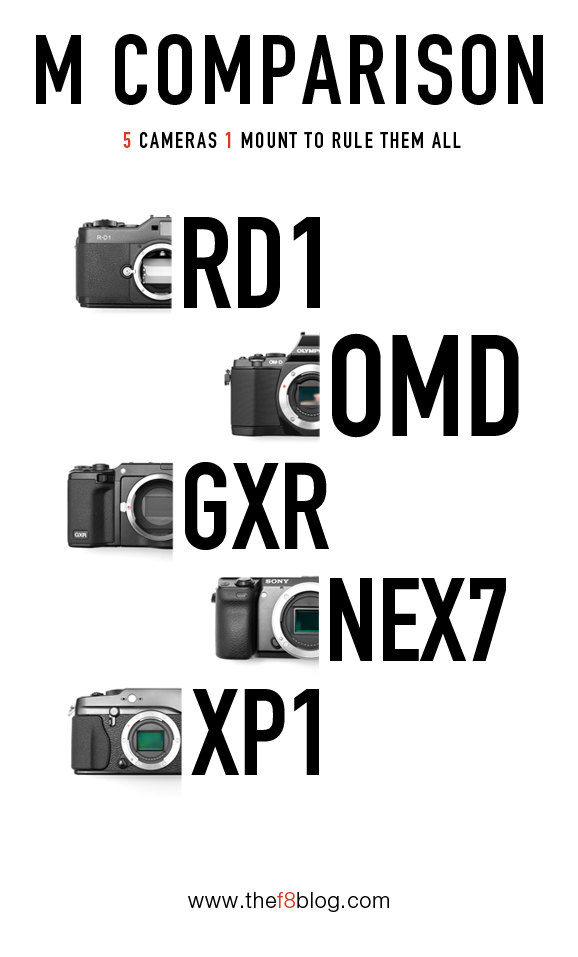
Finally the comparison of all the 5 cameras I had for street photography with M mount glass. Jump in for the results.
Comparison
Image Quality
[Available light Image Quality]
Here is some comparison shots of the cameras with Voigtlander 35mm 1.4. I was not about to guess focus on this so I infinity focused on f/16 and left the ISO on 200. I upsampled the RD1 and downsampled NEX 7. Click to open full size, and try to guess who’s who:

Here are the names:
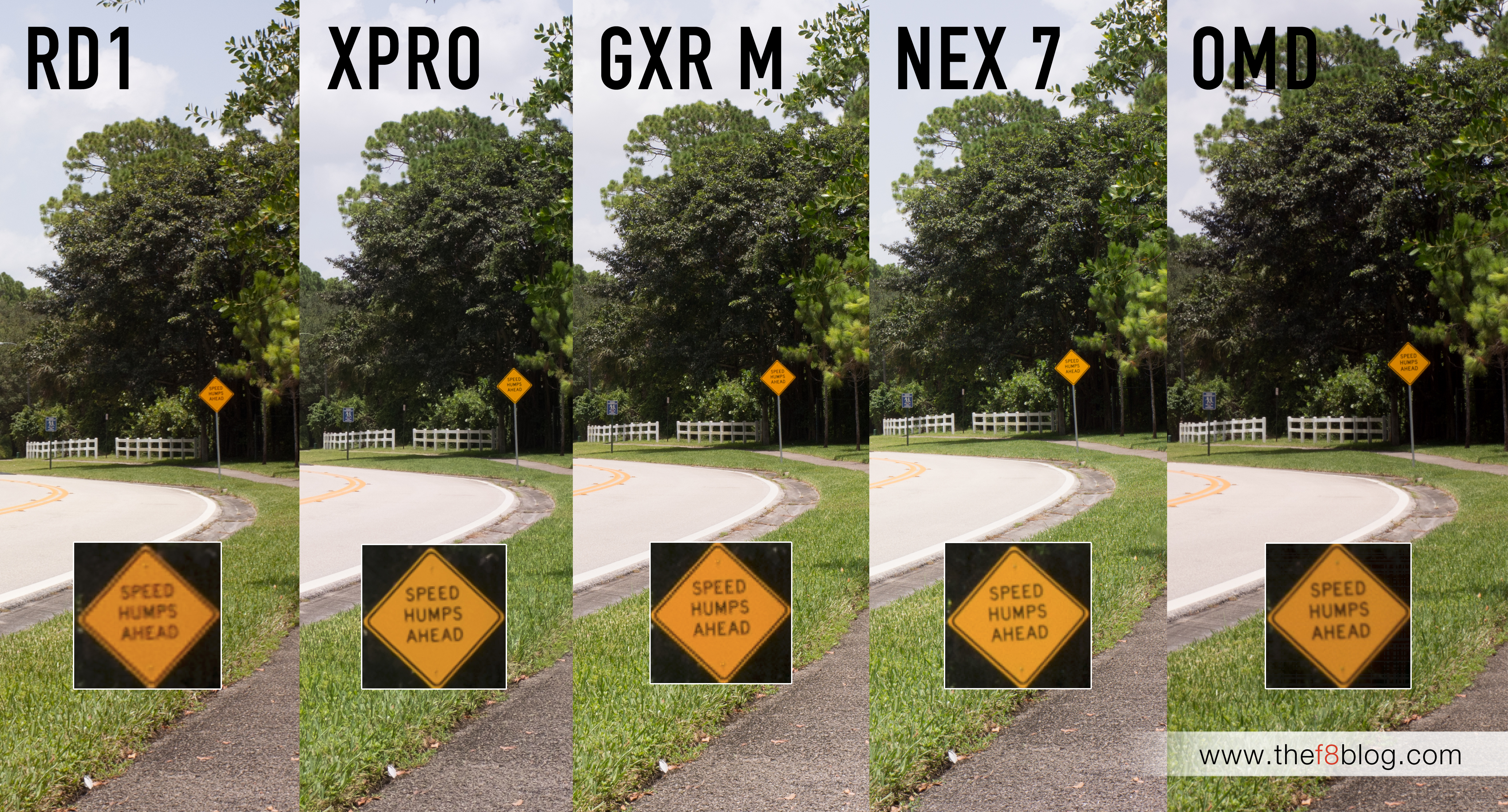
I am not understanding what is happening with the GXR in there, the edges are weird and I expected the opposite with a camera without the AA filter. The Fuji Xpro is sharp and clear, a bit more that the NEX7. The OM-D also plays in the big boys league even though it’s smaller than an APSC sensor.
Other ones, click for full size:
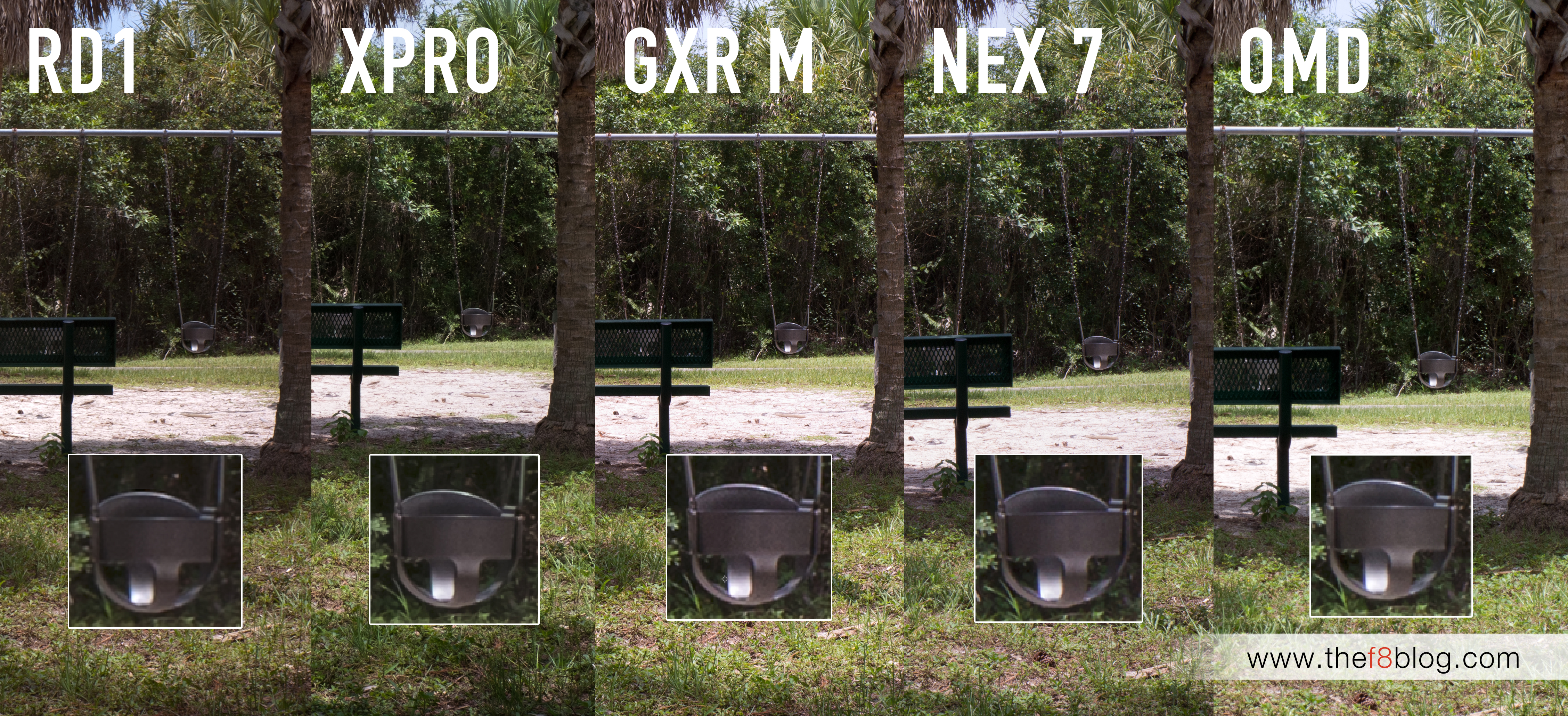
Download Raw files: All (zip) | RD1 | XPRO | GXR M | NEX 7 | OMD
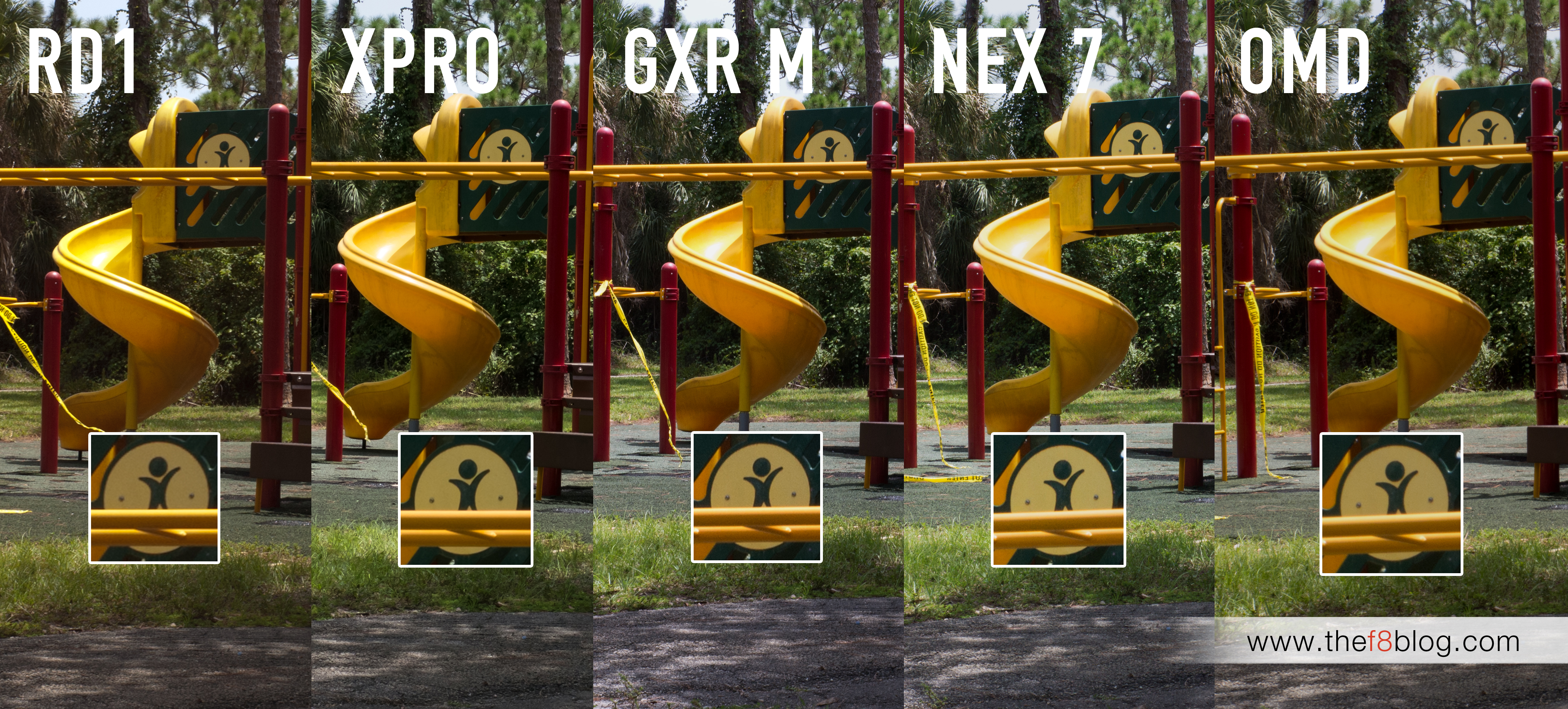
Download Raw files: All (zip) | RD1 | XPRO | GXR M | NEX 7 | OMD
Here’s one for kicks, the Epson RD1 vs Sony NEX 7. I upsampled the RD1 to 24 megapixels in OnOne resize and put a little high pass to spice things up. OnOne has crazy algorithms so it should be better than doing it in Photoshop.
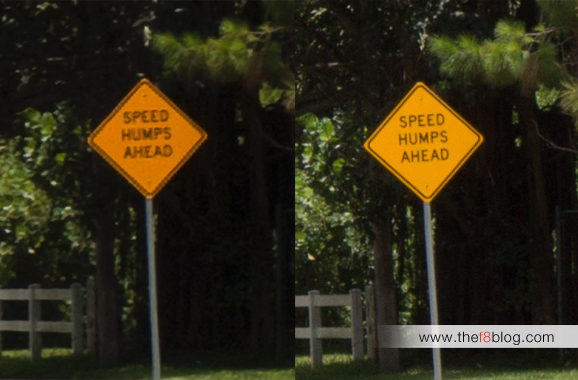
I expected the NEX7 files to be great, but the Epson RD1 holds up in my honest opinion. Printing big would force someone to view at a certain distance, and I think the RD1 can hold its own in something larger than 8×10, many users report great A3 prints. For the last test shot below the light changed a lot and I did my best to equate:

As humans we always have a need to quantify, and camera manufacturers found a good way to instantly rate cameras: Megapixels. Consumers would rate the NEX7 above the Xpro because it has so much more megapixels, but as photographers we know that megapixels are not everything but we are so engrained with it that we cannot help to make that judgement either.
If I take something out of this comparison, it is that all the cameras are “good enough” for superb large prints… it is something I always knew but seing the cameras side by saide really bought it home for me, I am officially oblivious to camera manufacturer lingo. Many others will not agree with this but remember that every one has different needs for gear, and for the purposes of street/documentary printed at A3, all the cameras do fine in the available light department. Don’t bash me for this heresy, pixel peepers!
[High ISO Image Quality]
Here is a comparison between all cameras with ISO1600 at 1second on a tripod on f/16. Due to challenging white balance, it’s all in black and white and I pushed the exposure to +2.

There is no running away with they are all “good enough” with this one! For the Epson RD1, the messy sign is what I expected in the available light shot, a garbled mess. To my great surprise the NEX7 is also a mess, I believed that I moved the camera during exposure but the pole is sharp, with no signs of vibration so the NEX7’s sensor is to blame. The GXR holds great to its competitors.
Olympus has to be congratulated for making a smaller sensor beat a bigger one at higher ISO’s. But the absolute clear winner of the bunch is the Fuji Xpro, you can clearly read the type on the sign and the grain looks like it’s under control by the camera. I had to double-check that I did shoot it at the same settings as the other cameras, very impressive.
I also have the other cameras at their maximum ISO’s for you to go through (RD1 can only go to 1600). The Xpro could go higher than 6400 but the higher settings were greyed out and did not find out how to access them.
Handling
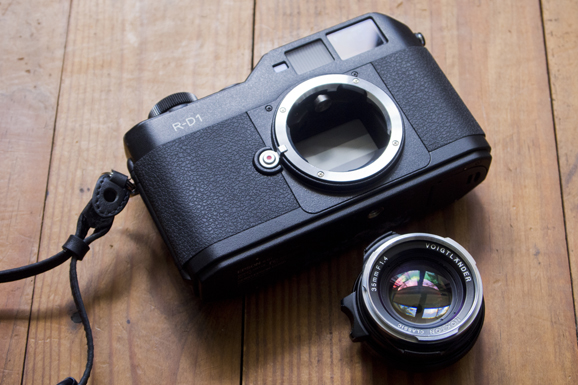
If I had to take one camera based solely on handling, it would be the RD1, it is large, thick and solid and it is no problem getting a good grip. The whole analog interface is absolutely great and best of all you do not have to use a screen. Even if there is no directional pad, Epson did a great job using the film rewind knob for some killer interface design interaction with the LCD. The RD1 is a great camera with simple interface, a joy to use.

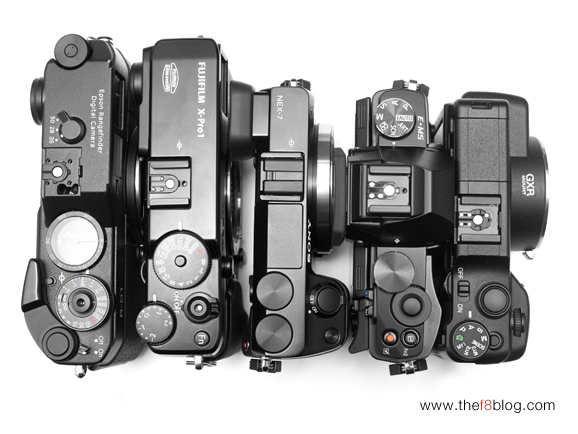
The Fuji Xpro takes design inspiration from rangefinders so it is second for the handling. It is definitely not the same feel but it is great in the hands. The GXR has the legendary Ricoh ergonomics and is only surpassed by the rangefinder form factor. The NEX7 has a weird form factor but the thick grip really feels great in the streets, it has two nice dials but unfortunately no mode change dial.
Surprisingly the OMD has the worst handling, it is incredible because the camera looks really good on paper and pics. I did not feel comfortable holding the camera, I was constantly afraid of dropping it because there was no grip and the front was slippery. The button placement is really weird and have no feedback when you press them.
Street setting
Street handling is linked with how easy it is to focus. The NEX7 never really interested me but I must say that this camera is the absolute best for street photography. Form factor aside it has a good grip and has dials to change settings quickly. Customisable focus peaking coupled with high fps and generous buffer makes this camera a ninja’s tool in the streets with M glass. You can flip the screen and hold the camera as a twin lens reflex and focus easily and accurately.
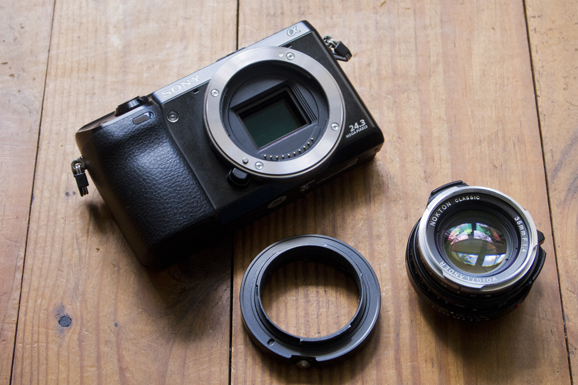
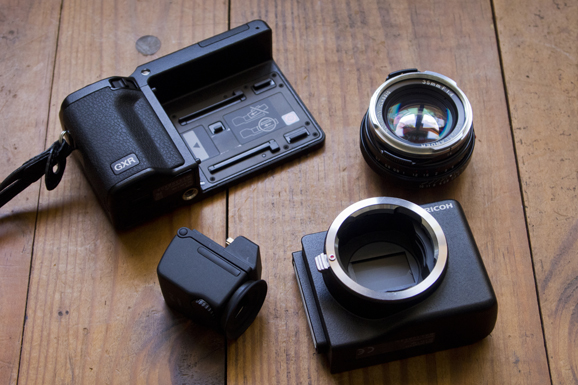
The Ricoh GXR is second because it also has focus peaking, but it is non customisable tho. You will have to slow down because you can only get 1 or 2 frames per second and the viewfinder is optional. Because these two have focus peaking you can put any kind of glass that has an aperture ring on these cameras and be able to focus easily.
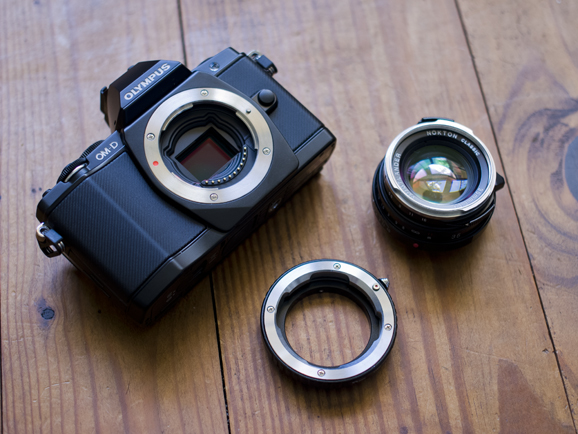
The Olympus OMD has some of the strengths of the NEX7 (high FPS and nice buffer) but has no focus peaking. The EVF is pretty good and you will be able to nail you focus here and there, most of the time you are guessing what is in focus. What you think you nail on the LCD might be a nasty surprise on the monitor. Nothing can beat OVF so far but the high fps and buffer coupled with a nice EVF increases you chance of getting your focus, other than that it’s zone focus.
The Epson RD1 focuses easily because of the rangefinder but there is no depth of field preview so you are stuck with zone focusing for large scenes. But the photographic zen that this camera produces is pretty unique, there is nothing quite like it out there. I had to force myself to use the other cameras in hand because I was having so much fun with it.
To my great surprise the Xpro is the worst for street with manual glass. The EVF is hard to nail your focus with (couldn’t even nail some chains on a fence!) and OVF is useless for manual. You could use the OVF to frame your shots but the framelines and other info disappear in bright light. Every time I tried to shoot with EVF, I had to bracket my focus and pray in order to get something sharp. I was pretty much stuck with zone focusing, which is not my thing. Update: You could use magnification by butting it in manual focus mode and pressing the rear dial, but make sure it’s your thing first, I personally cannot deal with the distraction of zooming in and out.
While the NEX7 is the best camera for street (with M glass), it’s too easy… wasn’t Bresson that said something like it’s shooting a pigeon with a machine gun? Of course in the end it’s the image that counts of course, how you get it is baloney but for me the images from the NEX7 are not rewarding enough. Might just be me though. If you are good with zone focusing, then pick any camera because the focusing would not matter that much. I personally like to know what’s in focus and like zone focusing only with focus peaking where I know I can zone focus with a little f/5.6 while moving.
Scales
[More expensive>less expensive (body only no adapter)]
Fuji xpro > Epson RD1>Nex 7>Om-D>Ricoh GXR
Xpro about $1700
Epson RD1 From $1400-1100
Sony Nex7 about $1200
Olympus OM-D about $1000
Ricoh GXR M about $950
[More megapixels>less megapixels]
Sony NEX7> Fuji Xpro>Olympus OMD>Ricoh GXR>Epson RD1
NEX7 is 24.3 megapixels
Fuji Xpro is 16.3
Olympus OMD is 16.1 megapixels
Ricoh GXR is 12.3 megapixels
Epson RD1 is 6 megapixels
Dealmakers/Dealbreakers
[Optical viewfinder]
– Fuji Xpro
– Epson RD1
[Electronic viewfinder]
– Olympus OM-D
– Sony Nex7
[Optional viewfinder]
– Ricoh GXR (Optional VF-2 accessory)
[Touch screen]
– Olympus OM-D
[No touchscreen]
– Epson RD1
– Ricoh GXR M
– Fuji Xpro
– Sony NEX7
Closing thoughts
Like I said in the very beginning the best camera is the one you love, the camera for you to get is the one that has the features that you must have and the drawbacks that you can deal with. The NEX7 beats all the cameras with M mount but I love my Epson RD1 more because I am willing to deal with the drawbacks to have features like the complete film experience. Feel free to ask questions and I will answer them.