
The older Ricoh cameras are cult cameras so if you are wondering if the follow up to the GRD is worth it here’s my Ricoh GRD II review with image samples & more.
The sample images on this page were processed with these, and shot in Jeju, Philadelphia and Miami area.
Ricoh GR Digital II Introduction

| Reasons to buy | Cons |
|---|---|
| + Made for street photography + 28mm + Great ergonomics | – Slugish – Slow lens – Not too great at ISO400+ |
As a note before beginning, for the uninitiated, the Ricoh GR Digital II (also known as GRD II and GRD 2) IS NOT the Ricoh GR II. This is a sequel camera that is a few generations down and has a large sensor.
Ricoh GRD II Review
As an avid fan of Ricoh GRD IV and III (been shooting them for a decade, and still do) I wanted to get the even older GRD II and probably the GRD I to complete things. By that time I was already shooting with those two cameras for years.

This is where I realized I was spoiled by the newer ones as from the II to the III are big upgrades. Let’s dig in more with my Ricoh GRD II review:
It’s a slowpoke
Let’s kick things off with the AF. It’s pretty slow to focus, not terrible but much slower then the subsequent cameras. Let’s just say that you “feel” it when you are focusing that you are waiting for it to focus.

Assuming you shoot raw, this camera is really slow, we are talking about 2 seconds here between shots so much slower then the newer III and IV that aren’t that fast by any stretch of the imagination.

Stuck at 2.5m
Let’s move on this Ricoh GRD II review by another letdown: One of the hallmarks of the GRDs is the snap focus function where the camera can focus at a preset distance. I’ve always set my focus at 1m and I simply coudn’t find where to set it up on the Ricoh GRD II. There’s a good reason for this as the snap focus is stuck a 2.5m. So I ended up never using the function I liked the most.

The other thing is, full press snap has not been implemented yet. While you could chose between AF and snap focus with just your shutter release starting from the III, if you want to switch here you need to setup your Fn button to switch on the II.

My single biggest must-have feature wasn’t well implemented yet.
Limitations
This will be the final negative of this Ricoh GRD II review. I know I am giving it a hard time, but it does have positive features! One of the best things about the GRD III is how freeing the camera is. This one on the other hand really feels limited. The ISO can go all the way to ISO1600 but to be honest the max ISO for me was 400. You can see ISO1600 here:

Quite harsh, heh? But you can salvage it with these or by strategically clipping your blacks. Here’s another shot at ISO1600.

The ISO400 really hurst color images the most, here’s a crop of a straight jpg:
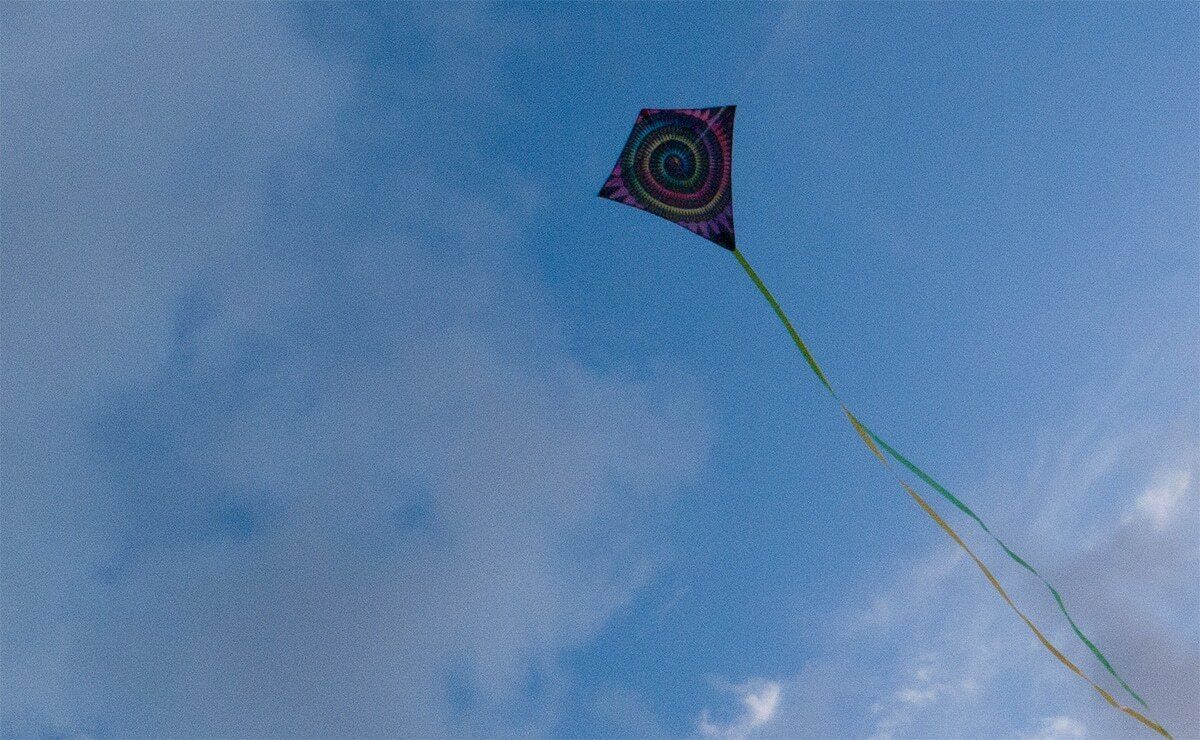
Also while it is still a 28mm, the lens is a relatively slow f2.4. When I had my Ricoh GXRs that had f2.5 I always reached for my GRD III that had f1.9 on them when there was only low light to shoot.

Legendary handling

While so far in this Ricoh GRD II review it might seem I am hating this camera, I am not. It’s just that I’ve been spoiled by having the sequel first and it felt like a downgrade. No snap focus, slower lens. But this camera is still a Ricoh.
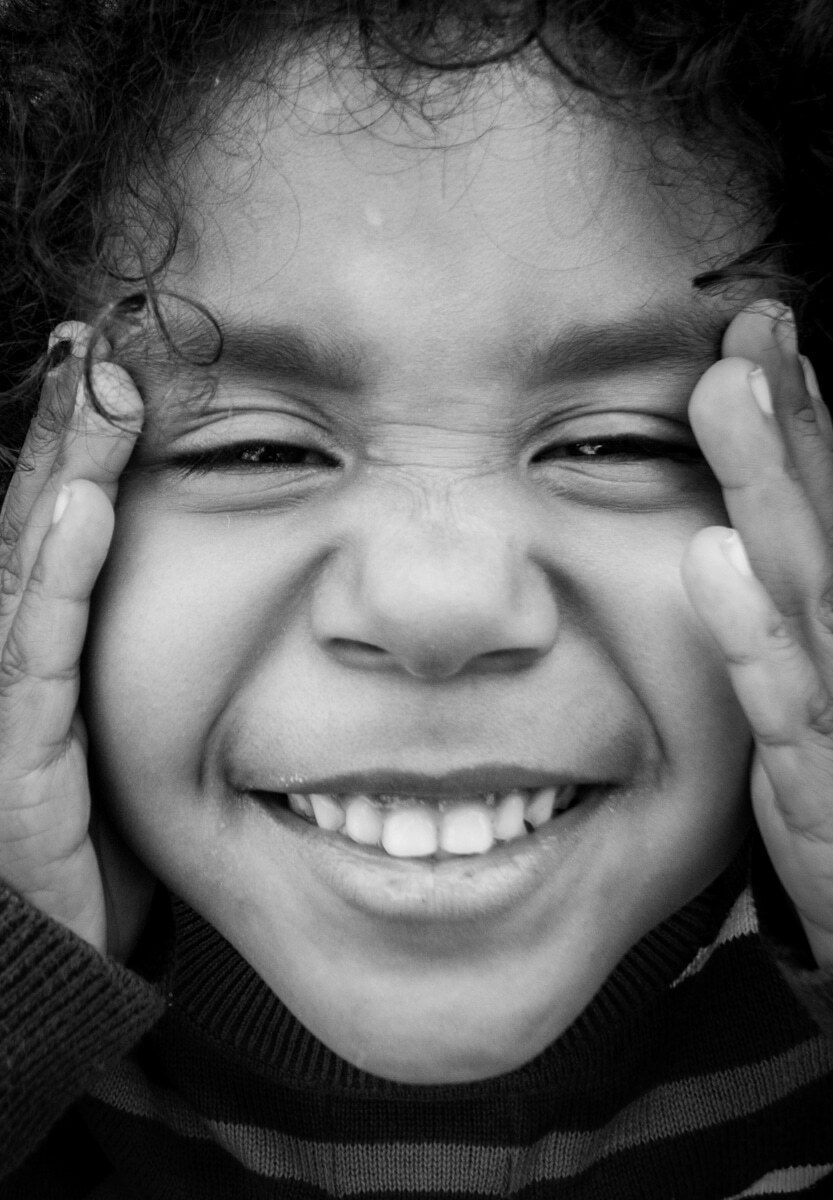
The handling is there. This still is one of the best ergonomics on a pocket camera, and it has the front dial and back jog so that you can do one handed operation and change settings on the fly.
Unique look
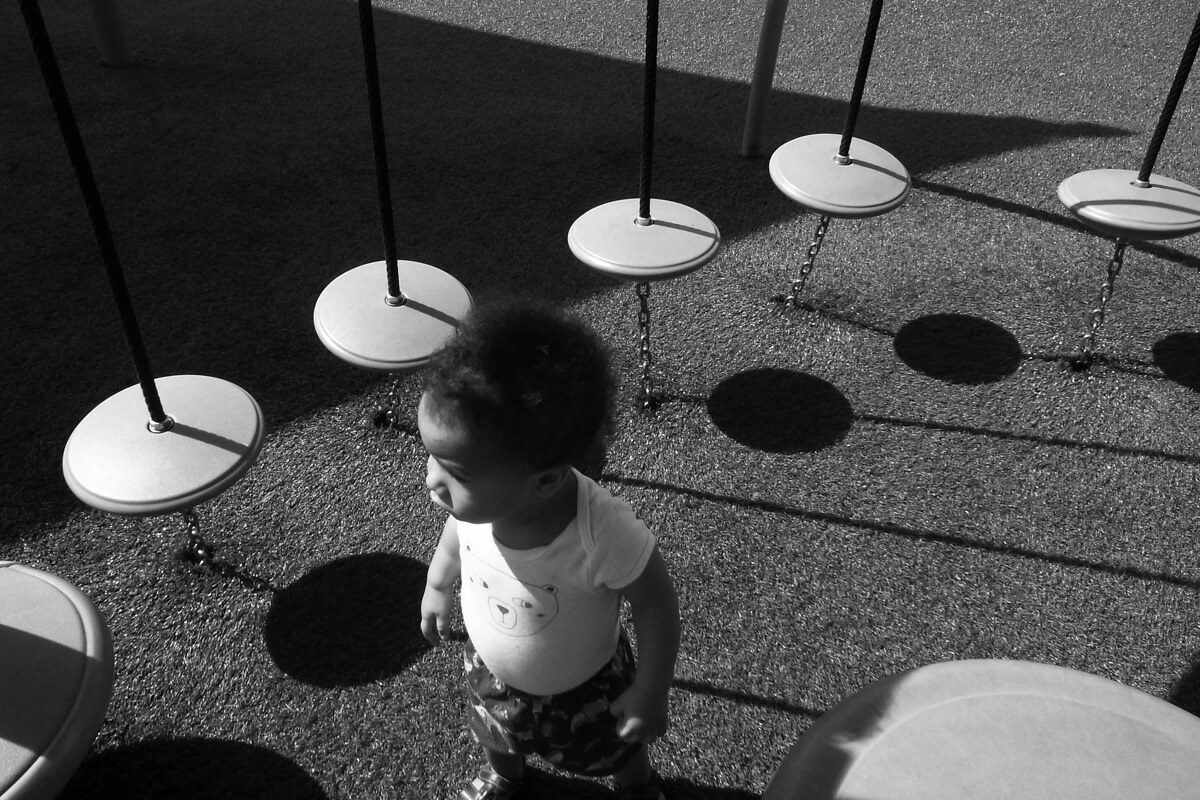
I do talk a lot about the GRD cameras look. Just like there’s a Leica look, there’s something special about the GRDs too. There’s just something about it that I assume is due to the CCD sensor and even smaller 1/1.75 sensor (the newer ones are 1/1.7″).
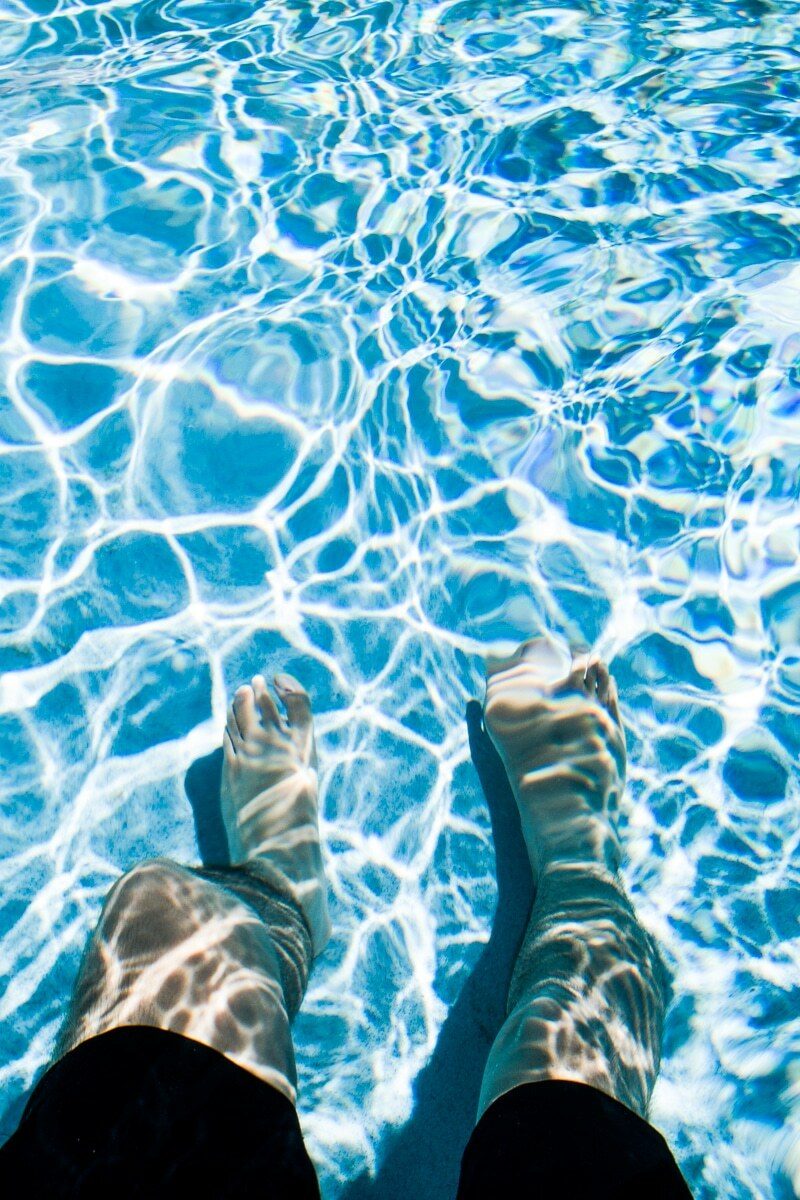
That means that there’s something special with the colors, they feel like film and not “straight” digital. There’s something to them that is pretty unique and addicting, provided that you keep your ISO low.
Killer black and whites
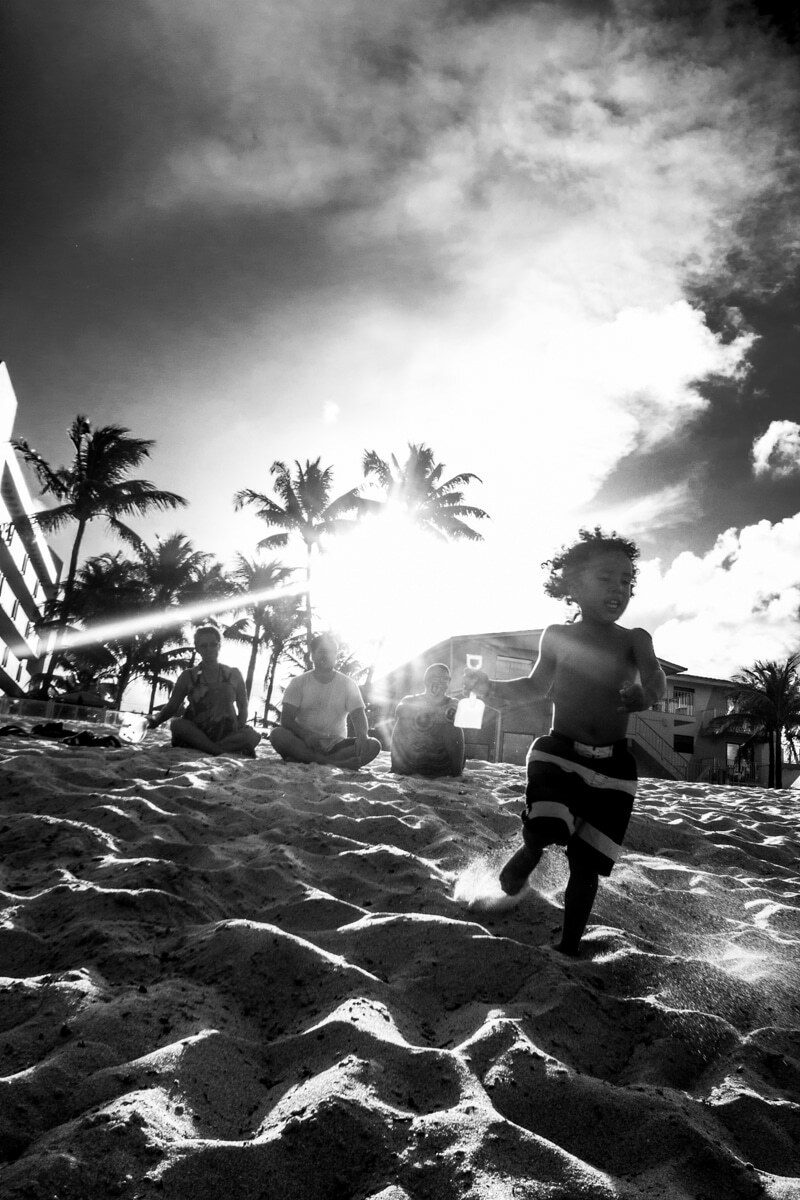
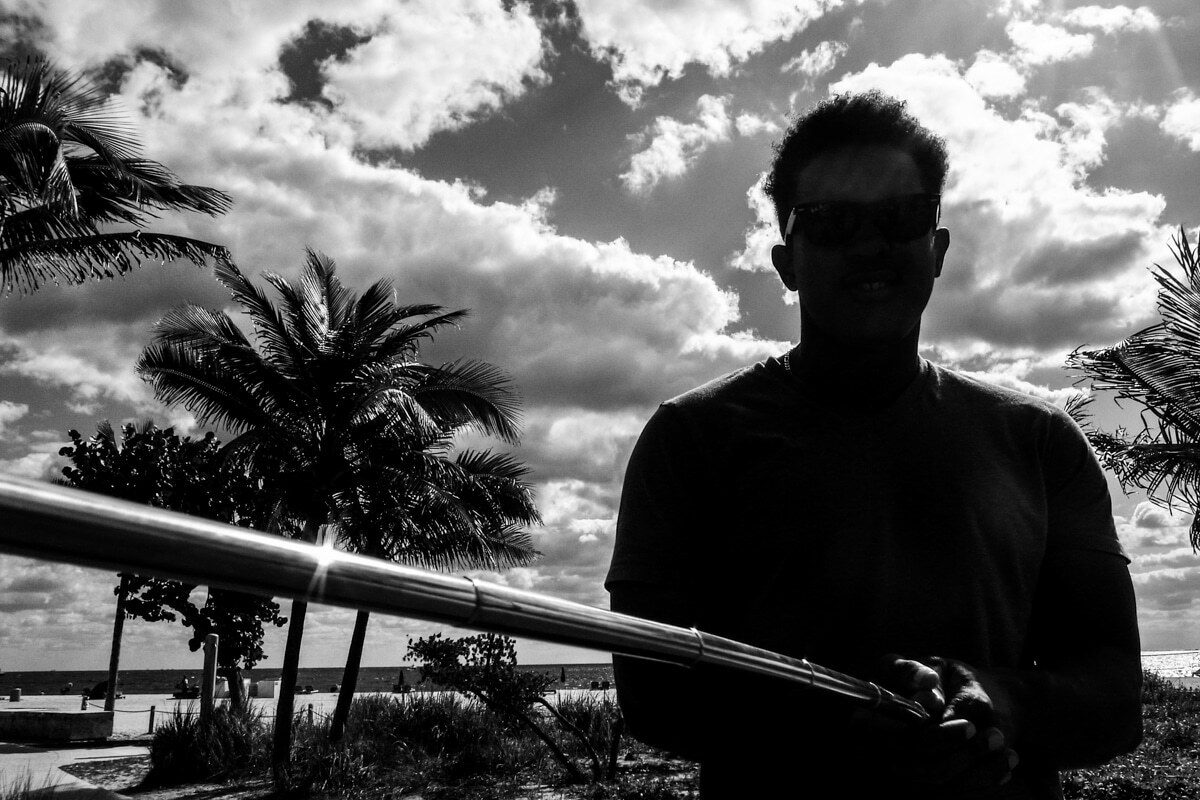
See? Not everything is bad about the camera in this Ricoh GRD II review. The real treat however is the monochromes. If you like black and whites, this is an amazing little machine. The black and whites are really good up to medium ISO and they all have character to them. There’s something about the GRD III that makes it grit better but this one grits very well too.
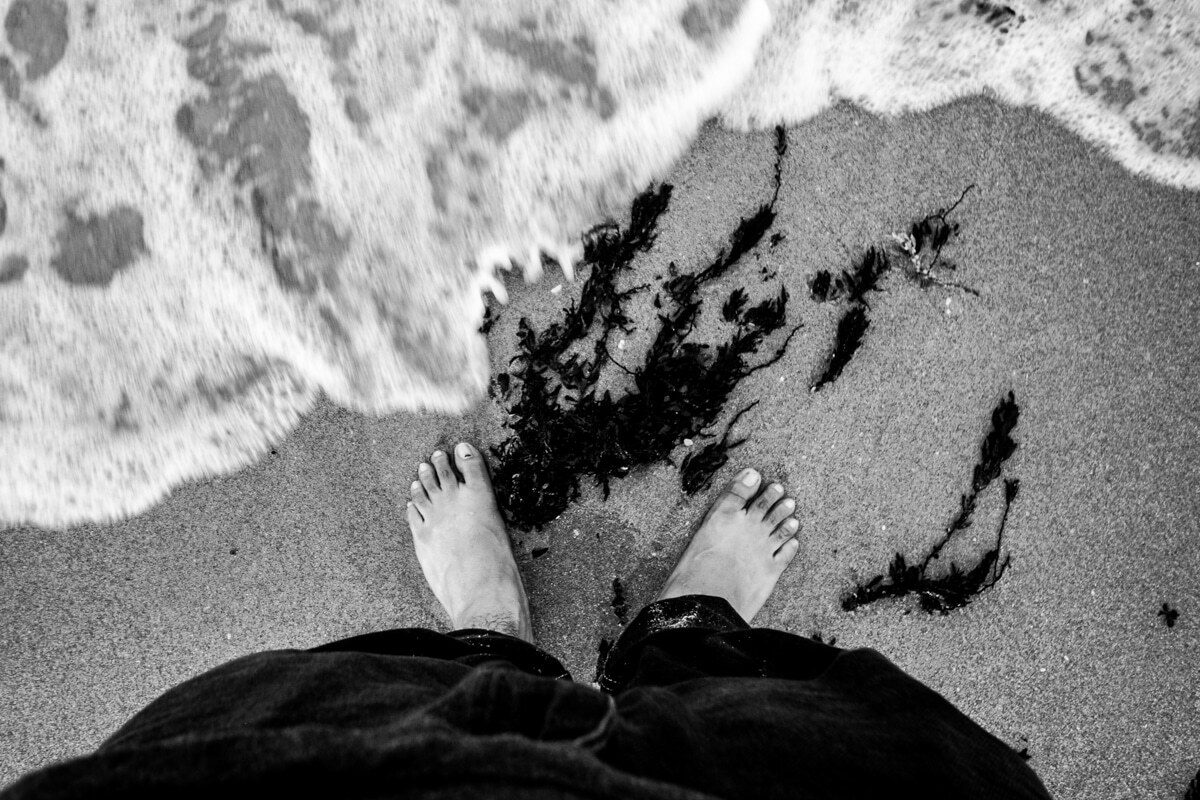
The JPGs are excellent right out camera and gives pretty usable results without even touching the RAW files.
Ricoh GRD II Sample images
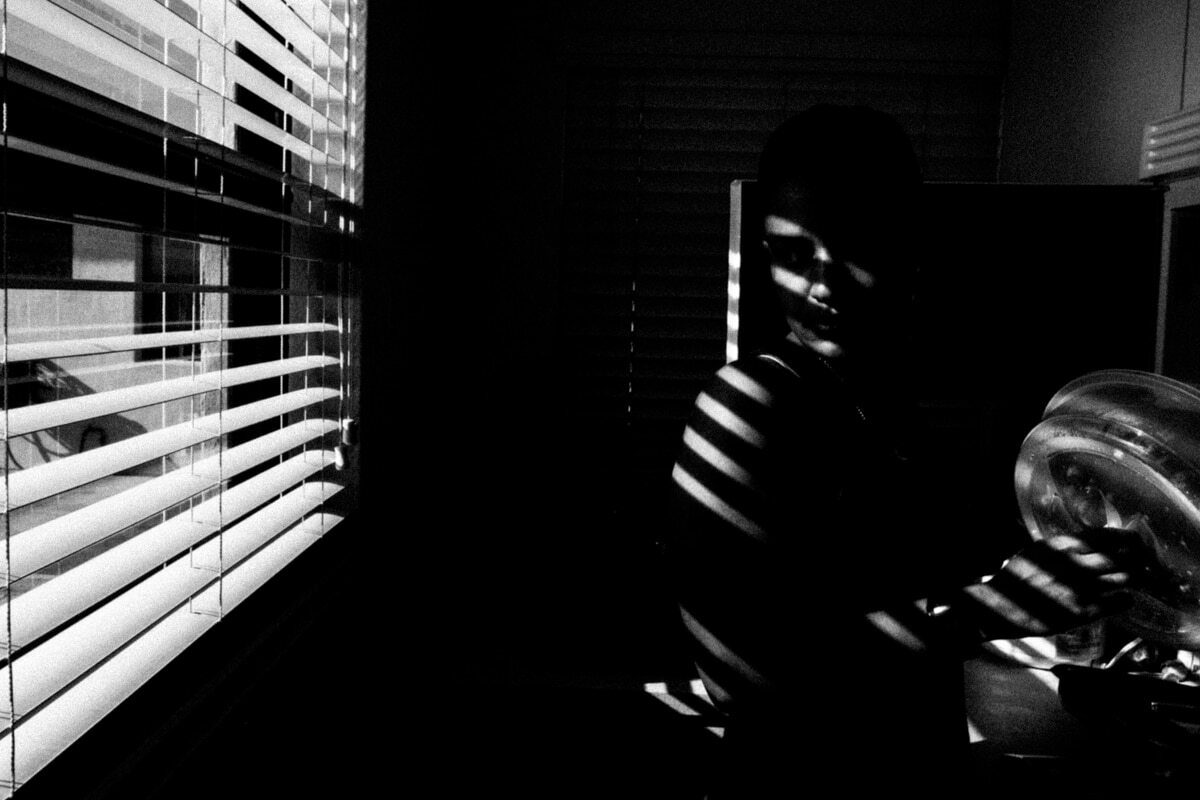
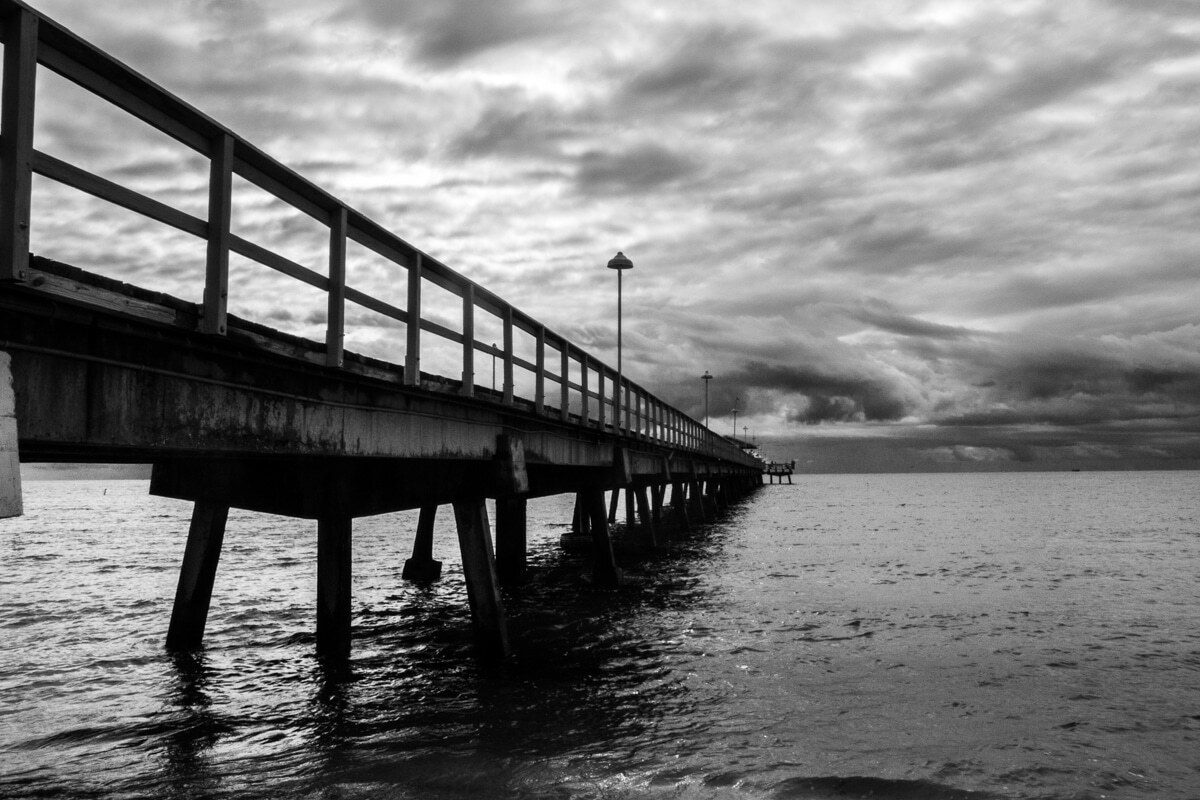
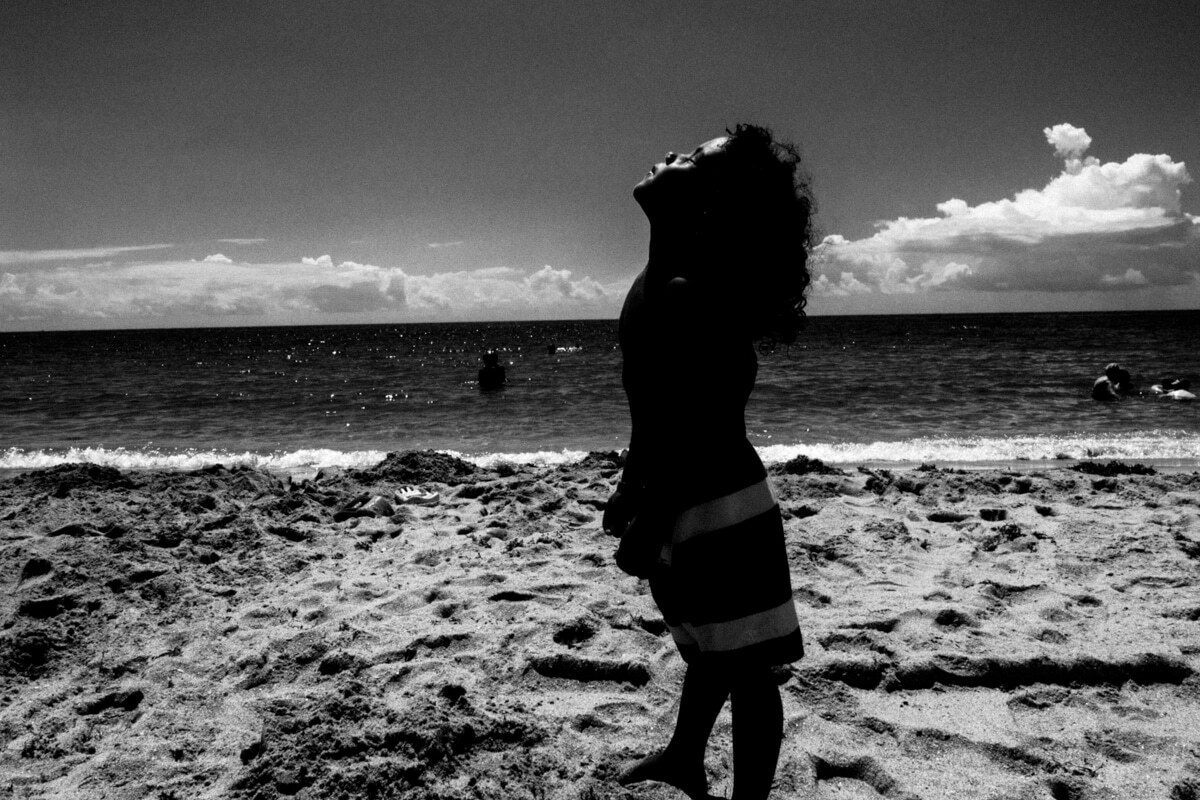
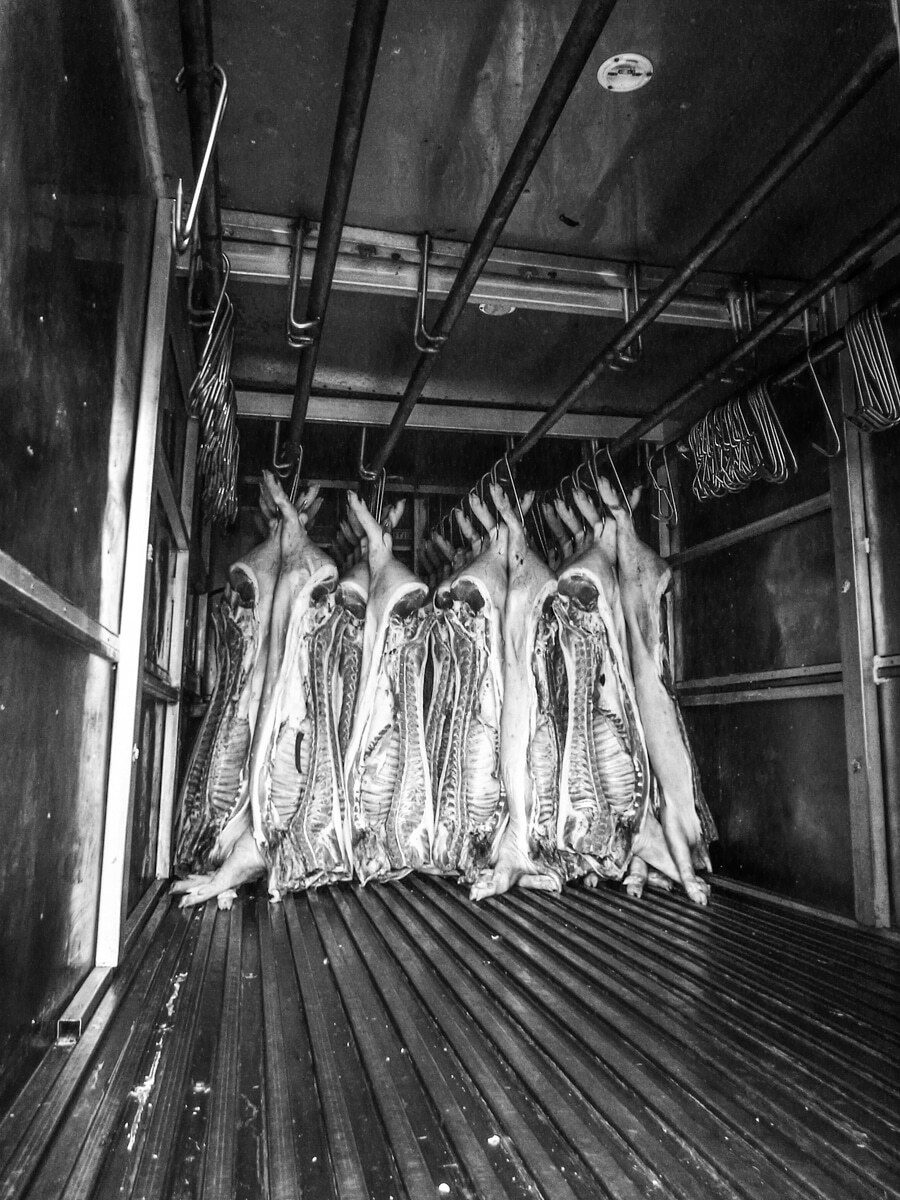
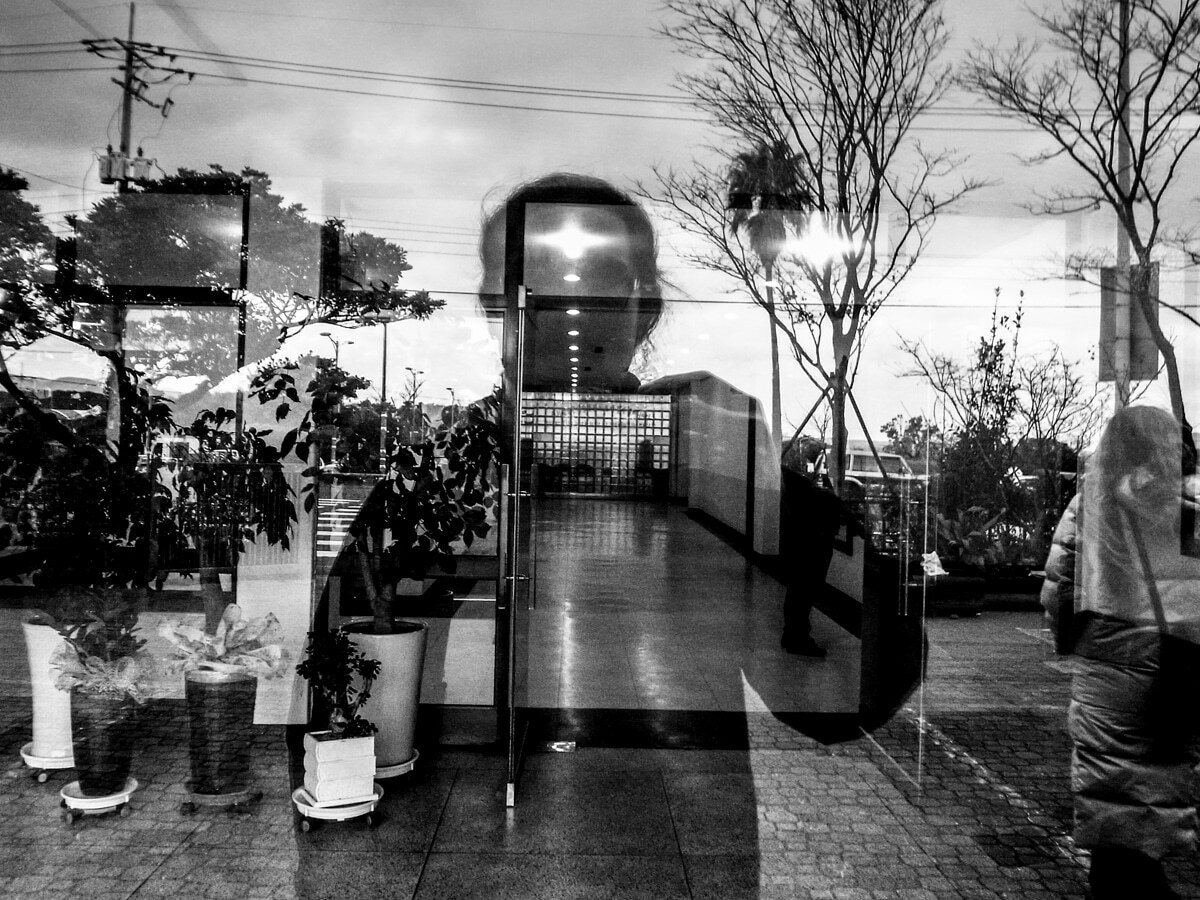
All of the images on this Ricoh GRD II review were shot with the camera itself, here’s some more:
Street photography

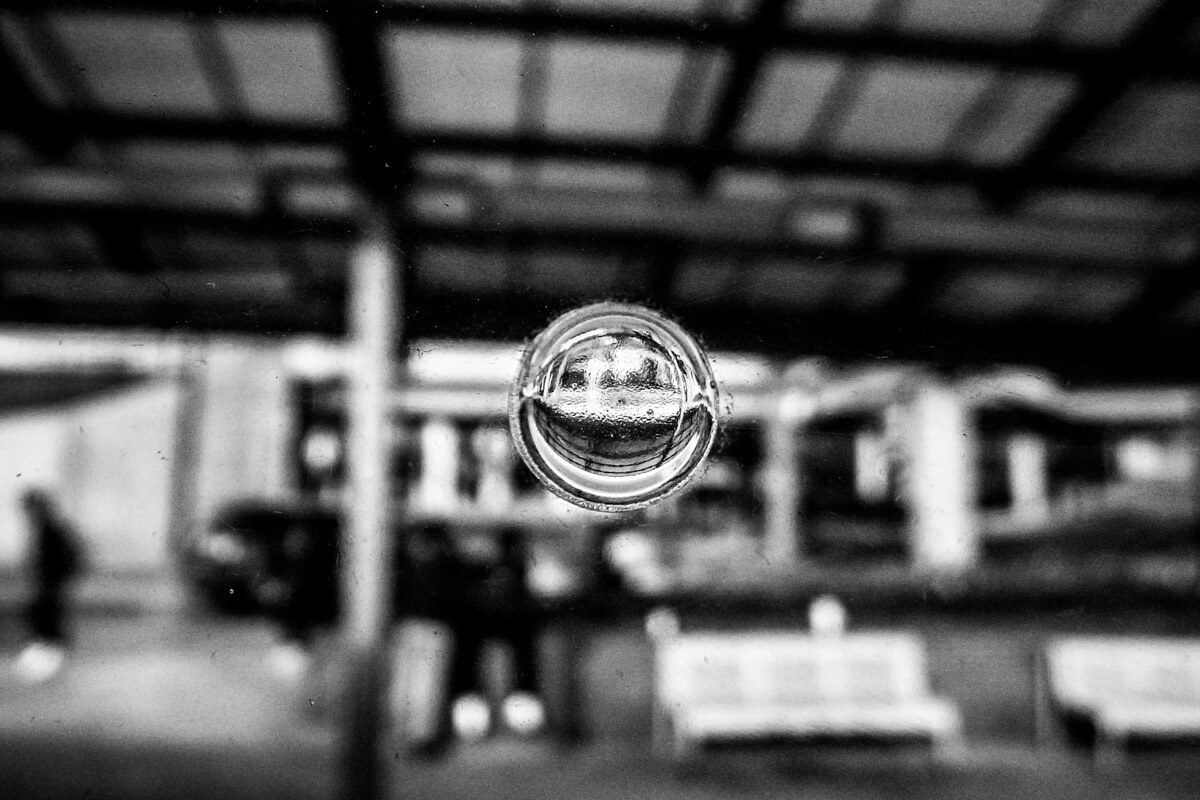
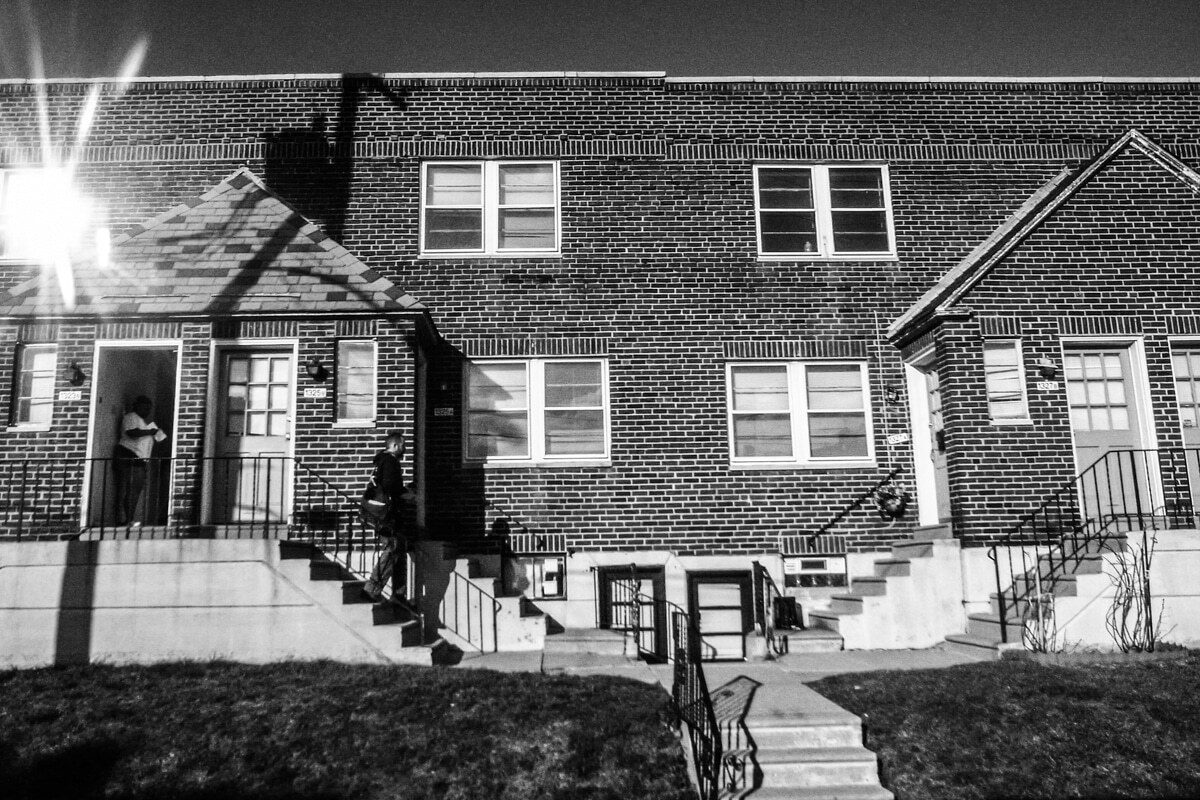
This camera was made for street photography, and it’s great in it’s own right. Unlike the other Ricohs I didn’t use the snap focus but instead for every shot I simply focused at a distance that I judge at about 1 meter and waited for people to walking in.
Is the Ricoh GRD II Still worth it?

The Ricoh GRD II is not worth it because you can get the much better GRD III or GRD IV. Only get this if you REALLY want a small sensor GRD but can’t afford the GRD III or IV as these puppies are going up in price.
You’ll want to be quick because all of the GRDs are pretty much cult cameras and the GRDs are getting rarer in the wild because there’s only so many to go around. Also if you are into street photography and like what you see, this course teaches everything I know.

Ricoh GRD II Review Conclusion
I hope you enjoyed my Ricoh GRD II review. If you are looking for a small sensor Ricoh, start with the Ricoh GRD III or IV. If budget is an issue, then the GRD II might be a good option but you will be settling for a slower lens, and lack of snap focus wizardry that makes the later GRDs so good.
You will however get the things that matter like handling and unique rendering both in color and black and white. Click here to check price.